Choosing a Hair Transplant Specialty Clinic Abroad: A Medical Tourist’s Checklist
Inhaltsverzeichnis
- Choosing a Hair Transplant Specialty Clinic as a Medical Tourist: What “Specialty” Should Really Mean
- 1) What Is a Hair Transplant Specialty Hospital/Clinic?
- 2) How a Specialty Clinic Differs From a General Hospital
- 3) How to Confirm It’s Truly a Specialty Hair Transplant Clinic
- 4) Does “Specialty” Automatically Mean It’s Safer?
- 5) What to Pay Special Attention to During Consultation
- Final Guidance for Medical Tourists
- Starten Sie noch heute mit Ihrer Onlineberatung
- Das erwartet Sie als internationale Patientin bzw. als internationaler Patient
- Maxwell-Garantie
Choosing a Hair Transplant Specialty Clinic as a Medical Tourist: What “Specialty” Should Really Mean
If you’re traveling abroad for a hair transplant, you’ll see many clinics describe themselves as “specialty” providers. The label can sound reassuring—but it isn’t a legally defined medical designation. What matters is whether the clinic actually functions like a true hair-transplant–focused center, with the experience, team structure, technology, and aftercare systems that support safe surgery and strong graft survival.
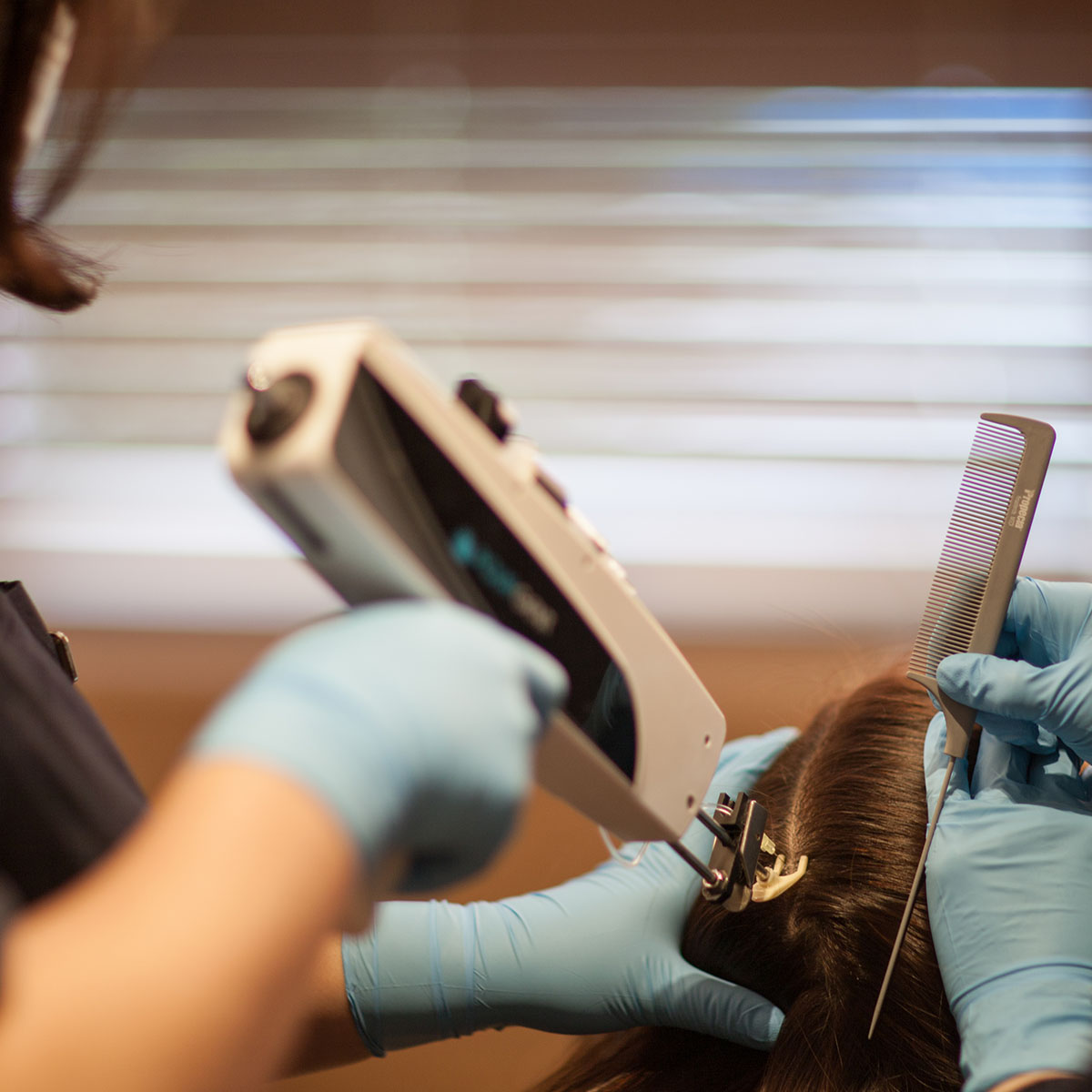
This guide is not an advertisement or recommendation. It’s a practical summary of what to look for when selecting a hair transplant clinic—especially when you may only have limited time onsite as a medical tourist.
1) What Is a Hair Transplant Specialty Hospital/Clinic?
A “hair transplant specialty hospital/clinic” generally refers to a medical institution whose primary area of practice is hair transplant surgery.
Because “specialty” is not an official legal title in many settings, it’s best understood as a clinic that:
- Focuses mainly on hair transplantation
- Has a dedicated medical and surgical team with extensive case experience
- Uses specialized facilities and equipment designed for transplant workflows
- Provides a structured system from consultation → surgery → recovery → aftercare
For medical tourists, this matters because the best outcomes depend not only on the day of surgery, but also on proper planning and follow-up care.
2) How a Specialty Clinic Differs From a General Hospital
The biggest difference is focus—and how that focus builds experience over time.
General hospitals (or multi-department clinics) may perform hair transplants, but hair restoration is often only one of many services. That can limit the amount of time, staffing, and systems dedicated specifically to transplant procedures.
A true hair-transplant–focused provider is more likely to:
- Perform high volumes of hair transplant surgery regularly
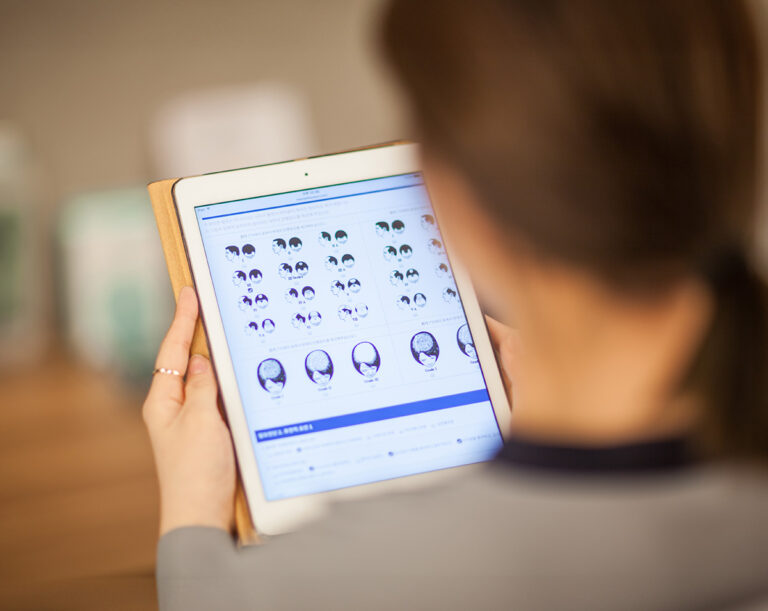
- Offer deeper diagnostic evaluation (hair loss pattern, scalp health, hair caliber, density)
- Design a personalized surgical plan
- Provide multiple surgical options (e.g., FUT/strip und FUE, including non-shaven approaches where appropriate)
- Operate with dedicated teams and standardized protocols
- Offer structured aftercare (e.g., swelling management, graft monitoring, laser therapy, scalp/follicle injections when indicated)
Specialty Clinic vs. General Hospital (Practical Comparison)
|
Category |
Hair Transplant Specialty Clinic |
General Hospital |
|---|---|---|
|
Medical staff |
Dedicated transplant team with long-term focus |
Hair transplants are not the primary specialty |
|
Diagnose |
Comprehensive evaluation (density, thickness, progression) |
Often more basic consultation-level evaluation |
|
Surgical methods |
Multiple approaches (FUT, FUE, non-shaven options, etc.) |
Options may be limited depending on facility |
|
Equipment & staffing |
Dedicated surgical setup and transplant-trained staff |
Team/equipment may vary; not always specialized |
|
Nachsorge |
Structured follow-up and recovery program |
Often limited to general outpatient follow-up |
Key takeaway: A specialty clinic tends to go deep in one field, while a general hospital goes broad across many fields. For hair transplantation, depth often translates into better systems and consistency.
3) How to Confirm It’s Truly a Specialty Hair Transplant Clinic
Because the word “specialty” can be used loosely, it’s important to verify what the clinic actually does—through the clinic website, consultation, and documented case outcomes.
Hair Transplant Specialty Clinic Checklist
|
What to Check |
Questions to Ask |
|---|---|
|
Medical staff |
Do experienced clinicians participate in both consultation and the surgical process? |
|
Experience |
Can the clinic explain cumulative experience using real cases, including follow-up outcomes? |
|
Diagnostic quality |
Do they assess and explain hair thickness, density, scalp condition, and progression stage? |
|
Method selection |
Do they compare FUT vs. FUE (and other variations) and explain why one suits your case? |
|
Aftercare program |
Is there a structured plan for swelling/inflammation control and graft survival monitoring? |
|
Patient cases/reviews |
Are results shown consistently and realistically, without exaggeration? |
|
Transparency |
Are limitations, side effects, and realistic expectations clearly explained in writing and verbally? |
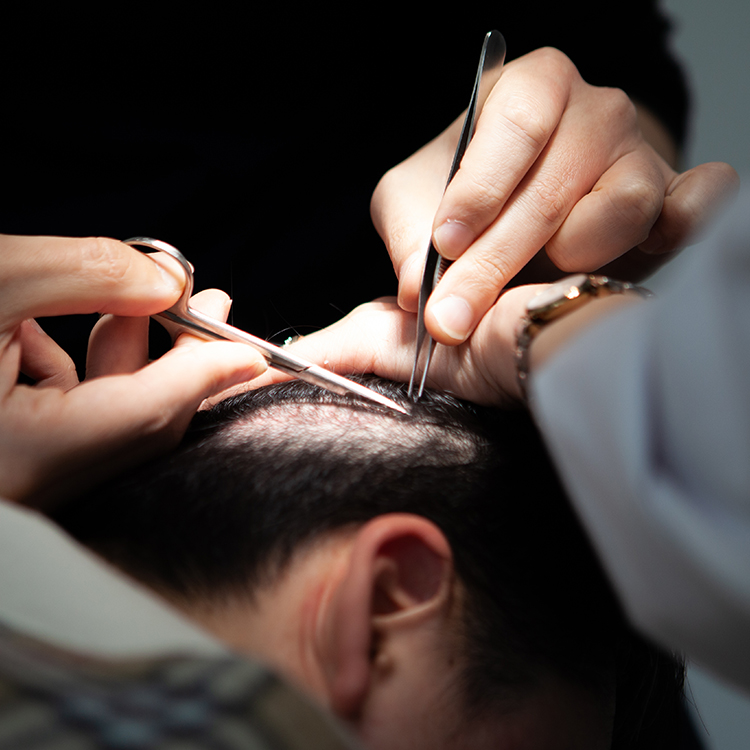
For medical tourists, transparency is especially important: you should understand the timeline, what you need to do after you return home, and how remote follow-up is handled.
How does Maxwell Hair Clinic measure up to this checklist?
Medical Team: A specialist-led clinic dedicated exclusively to hair loss treatment and hair transplantation for over 20 years.
Experience: Backed by data from over 500,000 accumulated hair loss treatment cases.
Diagnosis: Provides personalized diagnosis based on a comprehensive evaluation of hair thickness, density, and the progression of hair loss.
Treatment Methods: Offers various surgical methods, including FUT and FUE, tailored to each patient’s condition.
Aftercare: Maximizes graft survival with a 1-year post-surgery安心 care program.
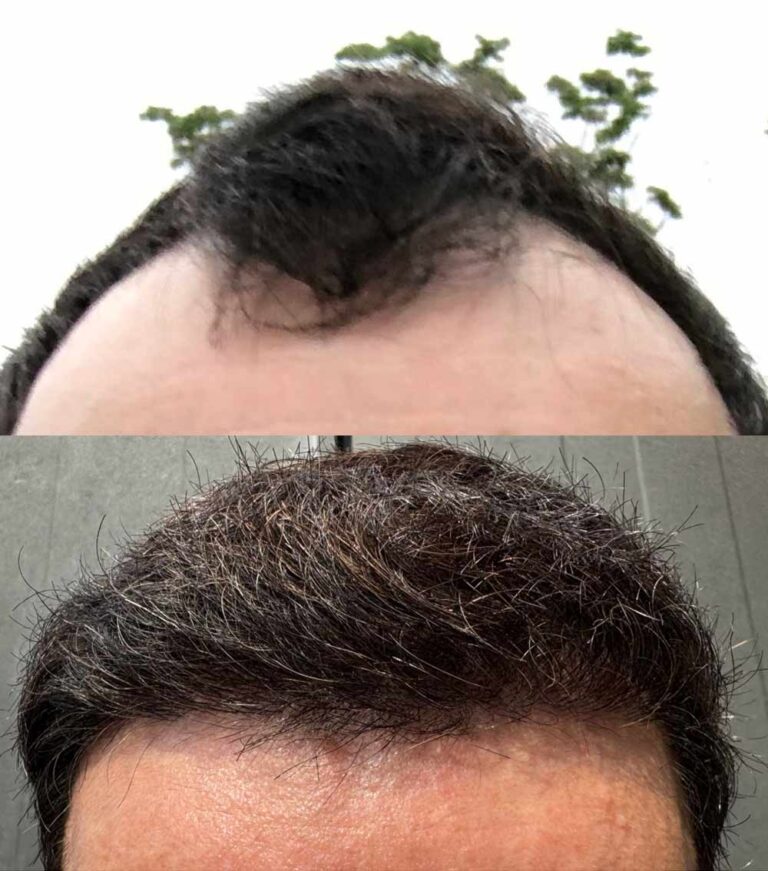
Patient Reviews: Transparently shares real patient reviews from Naver Place and actual before-and-after photo cases based on real patient data.
Trust & Transparency: Clearly discloses the names and experience of its medical team. Maxwell has also been recognized as a Best Hair Loss Treatment Clinic for 3 consecutive years and received a Consumer Satisfaction Award for 4 consecutive years. The clinic also provides honest explanations about possible side effects and treatment limitations during consultation.
4) Does “Specialty” Automatically Mean It’s Safer?
Not automatically.
A clinic can call itself “specialty” without meeting the standards you might expect. That said, clinics that repeatedly perform the same procedure—within a stable team and system—often build strong protocols for handling variables and unexpected situations.
A more reliable way to judge safety is:
- Die quality of the medical explanation
- How well the team understands your hair loss pattern and goals
- Whether they clearly discuss limitations, risks, and realistic outcomes
5) What to Pay Special Attention to During Consultation
After you’ve used the checklist above, focus on two critical areas:
1) Aftercare and recovery management
Graft survival is heavily influenced by post-op care. Make sure the clinic explains:
- How swelling/inflammation is managed
- Cleaning instructions and restrictions
- Follow-up schedule (including remote follow-up if you’re traveling home)
- What symptoms require urgent contact
2) Goal alignment and expectations
Transplanted hair can significantly improve coverage, but it does not stop all future hair loss. Confirm:
- What density is realistically achievable
- Whether additional treatment (medical therapy, secondary procedures) may be needed later
- What the long-term plan is for progressive hair loss
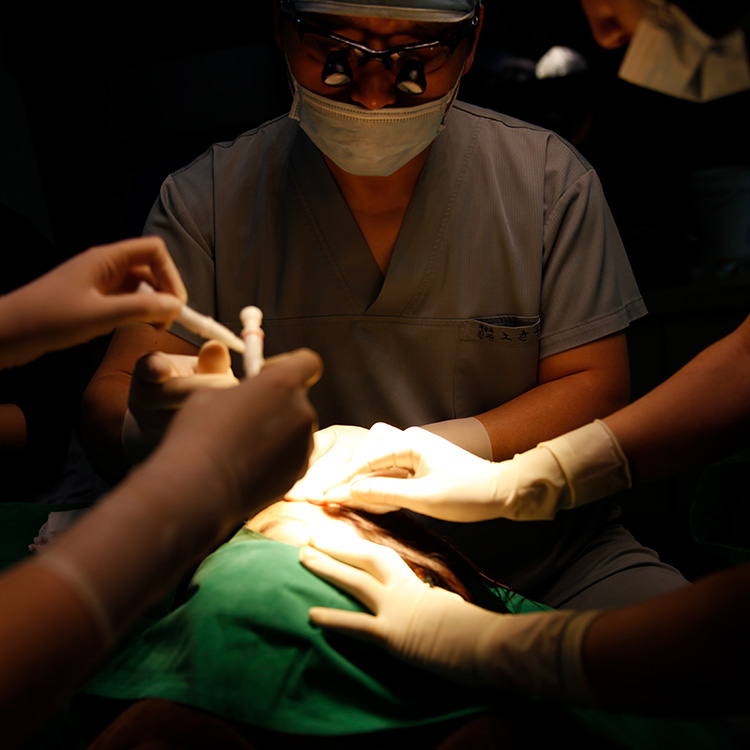
Final Guidance for Medical Tourists
When choosing a hair transplant clinic abroad, the deciding factor is not the word “specialty”—it’s whether the clinic demonstrates:
- Proven surgical experience
- A dedicated, trained transplant team
- Transparent case documentation
- A structured, realistic aftercare system that fits your travel schedule
If possible, compare more than one clinic consultation and choose the provider that offers the most complete, individualized medical explanation.
Note: This article was translated and published from the original with consent from the author.
Maxwell Hair Clinic
Starten Sie noch heute mit Ihrer Onlineberatung
Eine Beratung bei der Maxwell Hair Clinic ist schnell und unkompliziert. Nachdem Sie das Beratungsformular ausgefüllt haben, meldet sich ein Mitglied unseres Patiententeams per E-Mail bei Ihnen. Die erste Onlineberatung ist für Sie kostenlos.
Eintagesbehandlung für internationale Patientinnen und Patienten in der Maxwell Hair Clinic
Wir kennen die unterschiedlichen Bedürfnisse unserer internationalen Patientinnen und Patienten und setzen alles daran, Ihnen eine reibungslose und angenehme Erfahrung zu ermöglichen. Unsere Ärztinnen und Ärzte verfügen über umfangreiche Erfahrung mit unterschiedlichen Ethnien und Kopfhauttypen und passen jede Haartransplantation an Ihre individuellen Haareigenschaften an – für bestmögliche Ergebnisse.

Unser Ablauf für internationale Patientinnen und Patienten
- Ihre Angaben senden: Senden Sie uns Ihre Angaben zusammen mit klaren Fotos der Bereiche, die Ihnen Sorgen bereiten. So kann unser medizinisches Team Ihre Bedürfnisse von Anfang an besser einschätzen.
- Ärztliche Einschätzung online & individuelles Angebot: Unsere Ärztinnen und Ärzte beurteilen Ihre Fotos sorgfältig und beraten Sie im Rahmen einer Onlineberatung. Sie erhalten einen präzisen, individuellen Behandlungsplan sowie einen persönlichen Kostenvoranschlag – basierend auf Ihrem Haar- und Kopfhautzustand.
- Termin für Ihren Eingriff vereinbaren: Sobald Sie bereit sind, vereinbaren Sie Ihren Eingriffstermin zu einem Datum, das Ihnen passt. Unser Team begleitet Sie bei allen Schritten zur Vorbereitung Ihres Besuchs.
- Reise nach Korea – mit Rundum-Unterstützung: Unser Team für internationale Patientinnen und Patienten begleitet Sie während Ihrer gesamten Reise und Ihres Aufenthalts – für einen reibungslosen Ablauf ohne Sprachbarrieren.
- Eintagesoperation: Ihre Haartransplantation wird mit unseren fortschrittlichen Techniken innerhalb eines Tages durchgeführt.
- Haarwäsche am Folgetag & Nachkontrolle: Kommen Sie am Folgetag wieder in die Klinik – für eine schonende Haarwäsche und eine postoperative Kontrolluntersuchung bei Ihrer Ärztin bzw. Ihrem Arzt.
- Virtuelle Nachsorgetermine: Wir bleiben während Ihrer Genesung mit Ihnen in Kontakt – mit virtuellen Kontrollterminen nach 1, 6 und 12 Monaten.
- Freuen Sie sich auf Ihr Ergebnis: Beobachten Sie in den kommenden Monaten, wie Ihr neues Haar wächst, und freuen Sie sich auf das endgültige Ergebnis.
Maxwell Hair Clinic
Das erwartet Sie als internationale Patientin bzw. als internationaler Patient
1
Umfassende Onlineberatung
Starten Sie ganz unkompliziert mit einer Onlineberatung. Unsere Beraterinnen und Berater unterstützen Sie bei der Erstellung Ihres Behandlungsplans und bei der Terminvereinbarung für Ihren Eingriff.
2
Ihre Reise nach Korea
Gerne unterstützen wir Sie bei der Organisation einer Abholung am Flughafen. Dieser Service kostet 80 US‑Dollar. Wenn Sie lieber selbstständig anreisen möchten, können Sie den Flughafenbus nutzen; dieser kostet 15 US‑Dollar.
3
Reisekosten im Überblick
– Unterkunft: in der Regel 50–200 US‑Dollar pro Tag.
– Mahlzeiten: im Durchschnitt 10–20 US‑Dollar pro Mahlzeit.
– Flüge: Am besten prüfen Sie die Preise einige Monate im Voraus, um das beste Angebot zu finden.
4
Lernen Sie Ihre behandelnde Ärztin bzw. Ihren behandelnden Arzt kennen
Unser Beratungsteam und unser medizinisches Team heißen Sie in unserer Klinik zur abschließenden Untersuchung und zur individuellen Haarliniengestaltung willkommen.
5
Behandlungstag
Während Ihres gesamten Termins steht Ihnen eine persönliche Dolmetscherin bzw. ein persönlicher Dolmetscher zur Seite. Nach dem Eingriff unterstützen wir Sie bei der Nachsorge, bei der Abholung Ihrer Medikamente und begleiten Sie zurück zu Ihrer Unterkunft.
6
Kontrolltermin, Entspannung und Heimreise
Am Folgetag haben Sie einen Kontrolltermin. Danach können Sie Ihre Zeit in Korea frei genießen. Falls gewünscht, unterstützen wir Sie auch bei der Organisation des Flughafentransfers für Ihre Abreise.
Hervorragende Ergebnisse
Maxwell-Garantie