


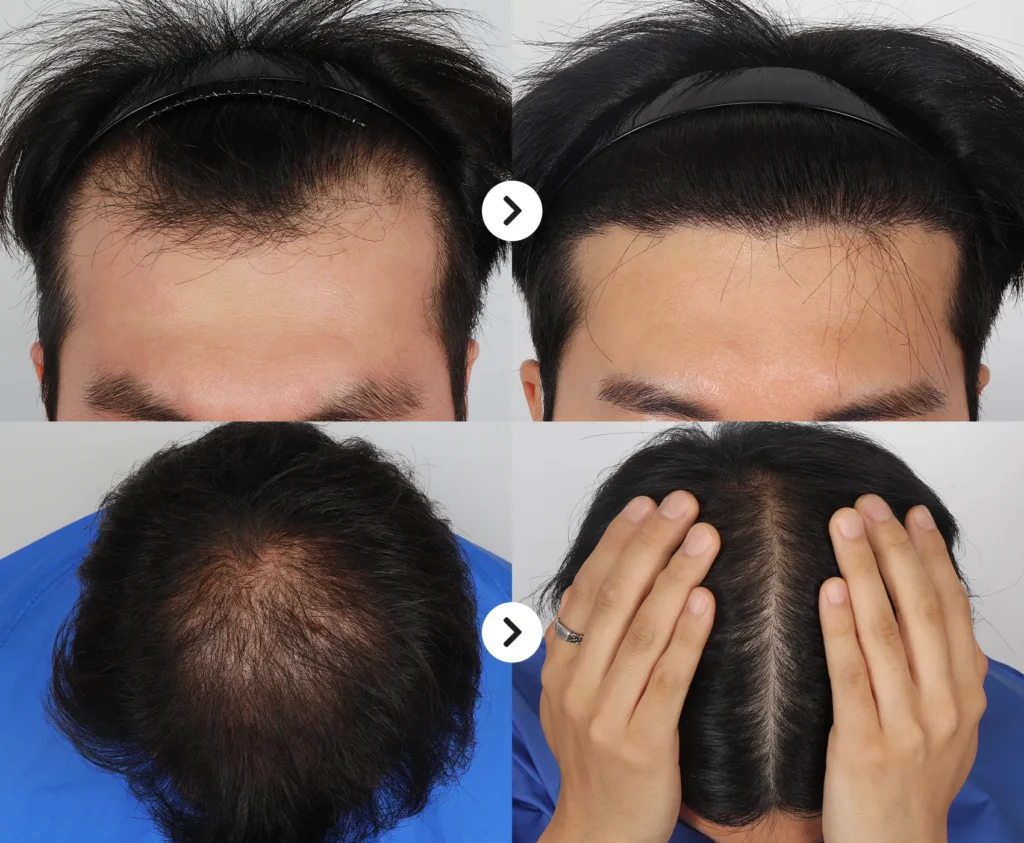
Why Hair Loss Is Increasing in Younger Adults
Hair loss in younger patients is often more complex than simple age-related thinning.
While genetics and aging still play a role, early-onset hair loss is frequently linked to additional triggers such as:
- Excess body fat
- High sugar intake
- Chronic stress
- Insulin resistance
- Hormonal imbalance
- Accelerated conversion of testosterone to DHT
These factors can work together and speed up the hair loss process.
A Key Clinical Insight
When hair loss begins in the 20s to 40s and progresses quickly, it is often not caused by genetics alone. In many cases, several internal and lifestyle-related factors are involved at the same time.
Patients with a family history of diabetes or high blood pressure may need to be particularly careful, as mild metabolic imbalance can contribute to early hair thinning.
Common Patterns of Hair Loss in Your 20s to 40s
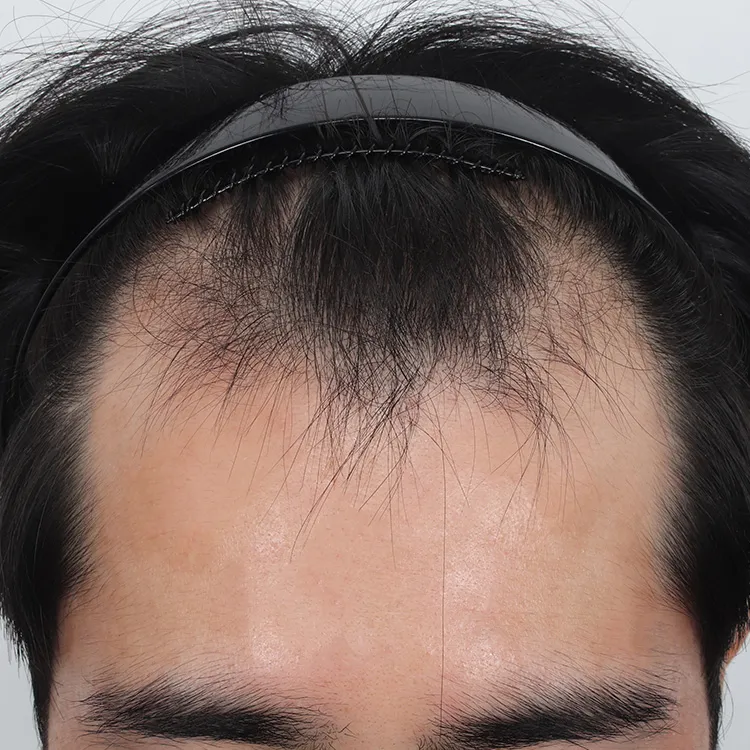
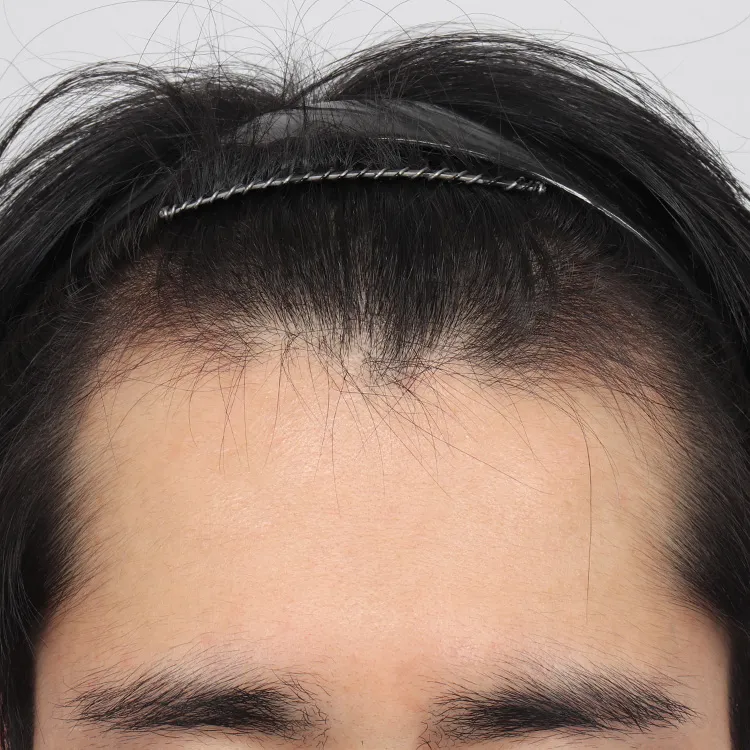
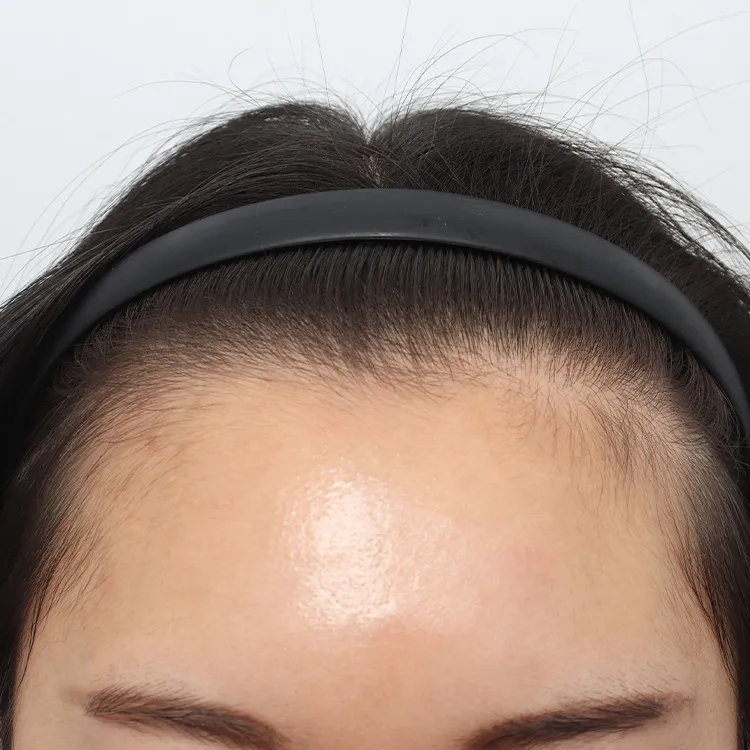
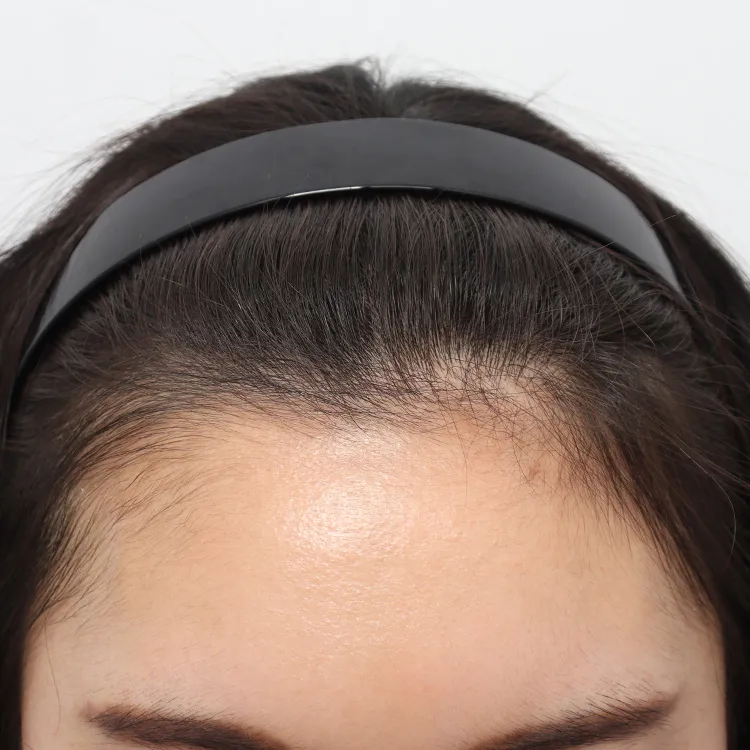
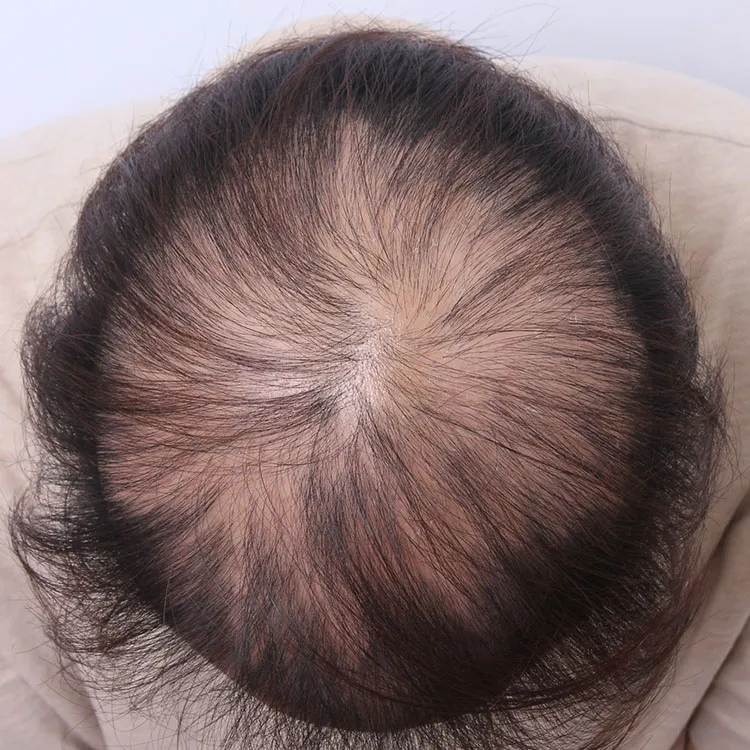
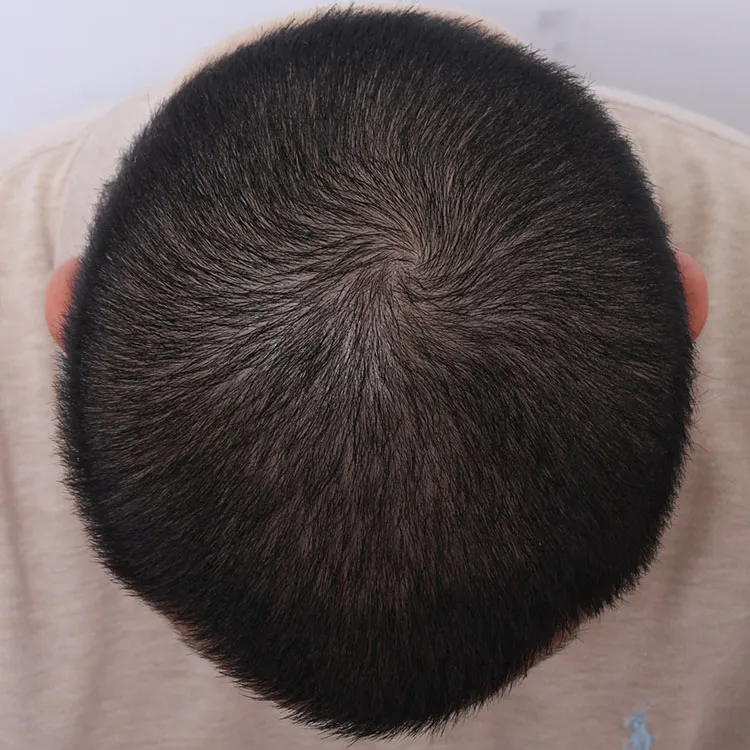
Younger patients often show different patterns from classic age-related hair loss.
In Men
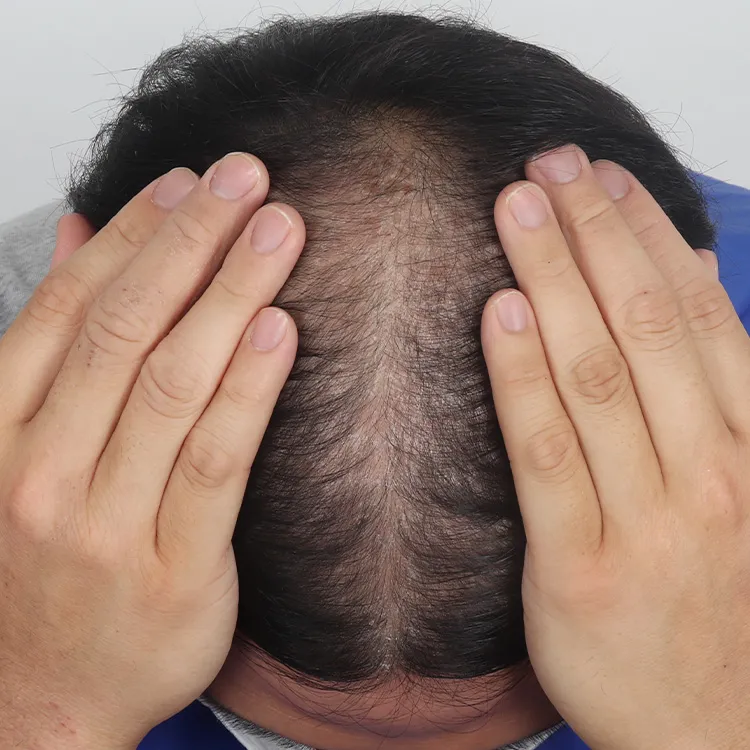
- M-shaped recession combined with crown thinning is common
- Progression may be faster than expected for age
In Women
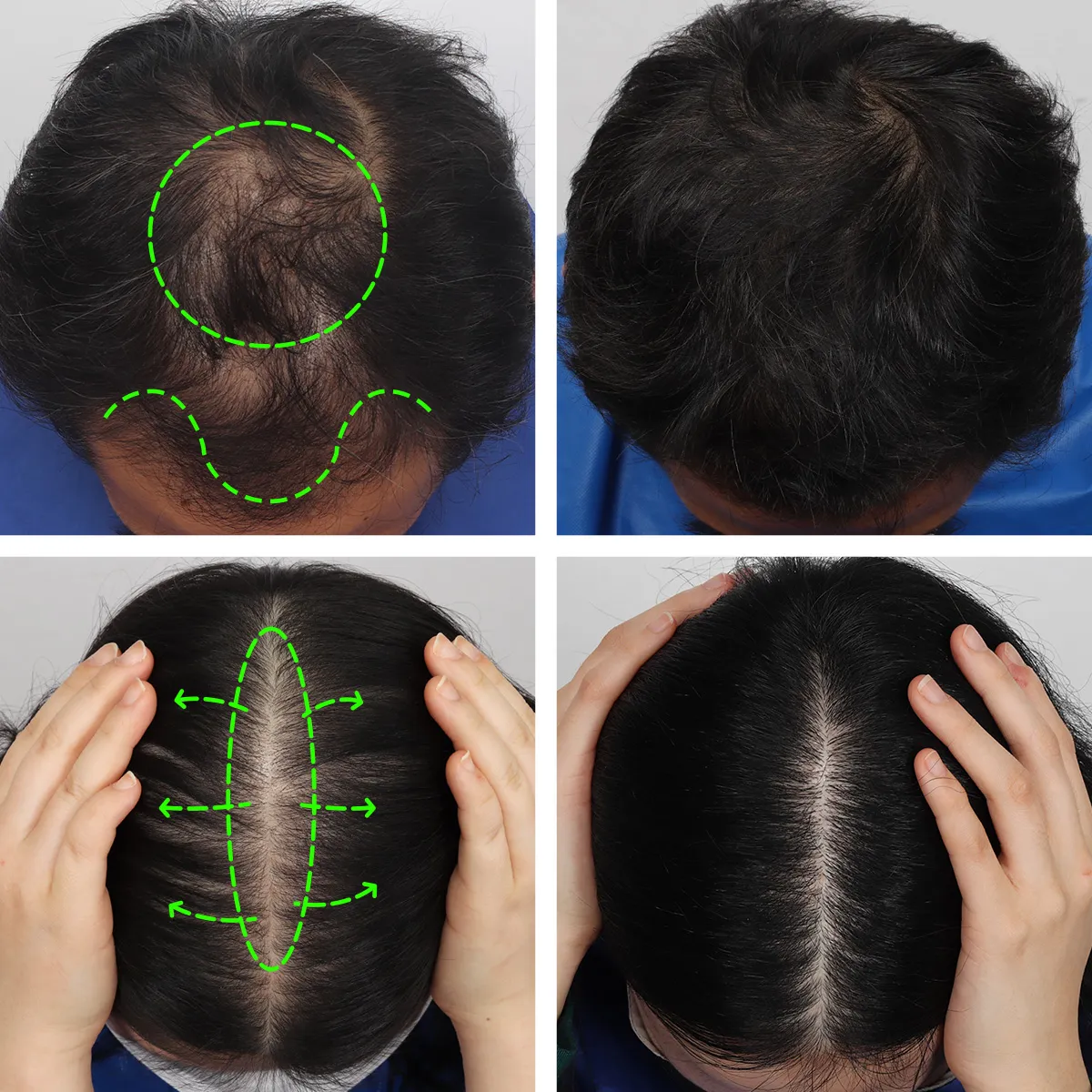
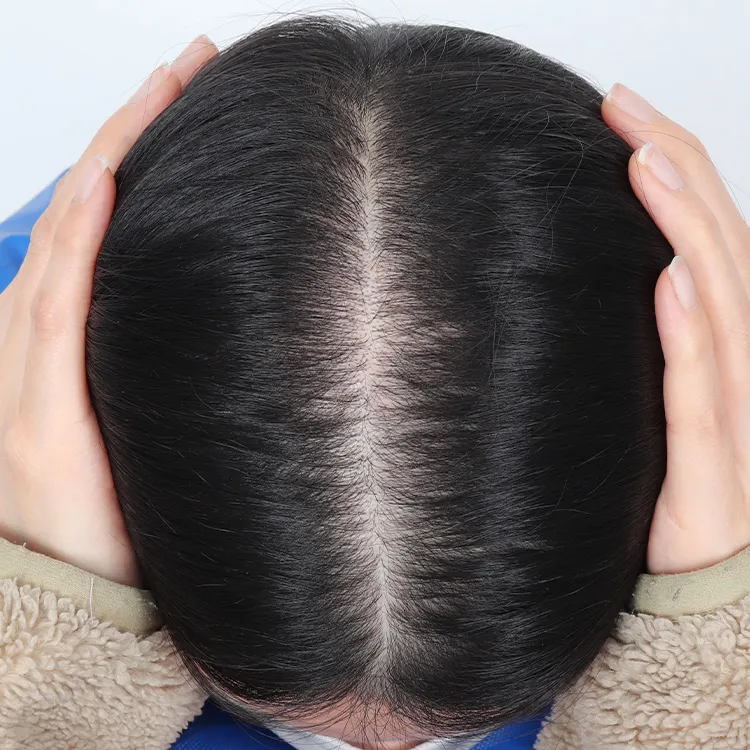
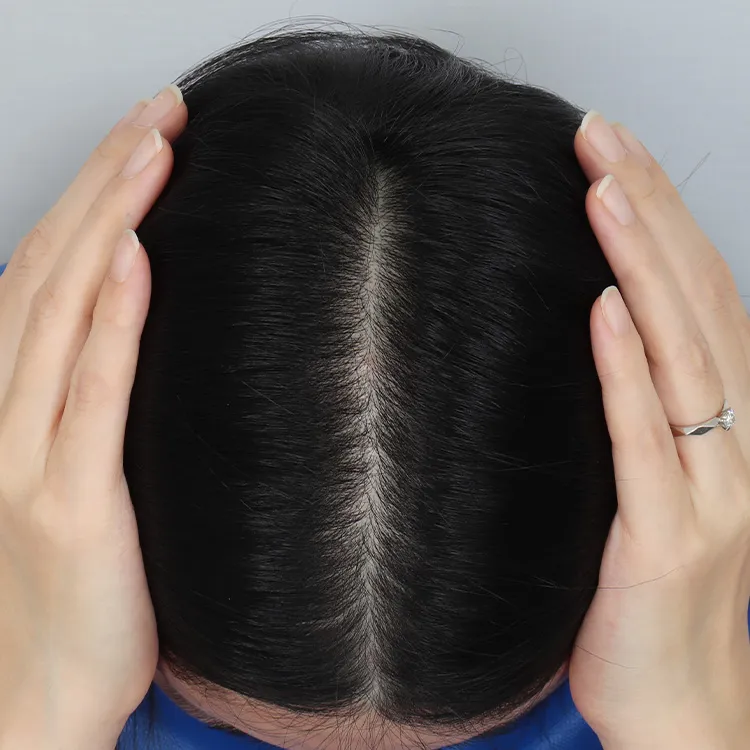
- The frontal hairline may remain relatively preserved
- Thinning often appears at the crown or along the central part
Because these patterns can overlap with other scalp or systemic conditions, visual inspection alone is not enough for an accurate diagnosis.

Hidden Causes Behind Early Hair Loss
Hair loss in younger adults often has more than one cause. The most common include the following.
Androgenetic Alopecia
This is the most common form of hereditary hair loss.
Possible contributing factors:
- Genetic predisposition
- Sensitivity to DHT
- Excess body fat
- High sugar intake

Telogen Effluvium
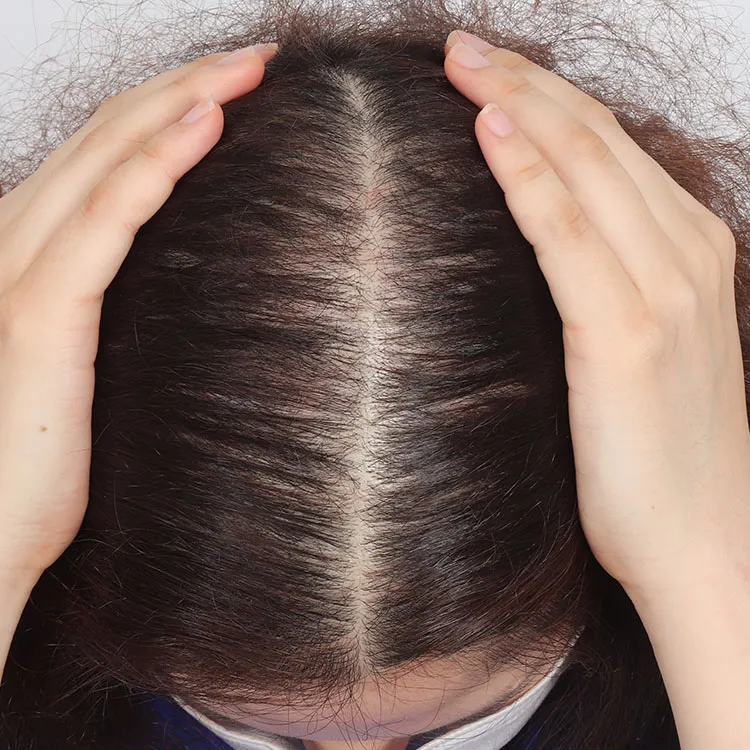
This type of hair loss is usually diffuse and often triggered by a change in the body or mind.
Common causes:
- Stress
- Illness
- Nutritional deficiency
- Medication
- Hormonal change
Alopecia Areata
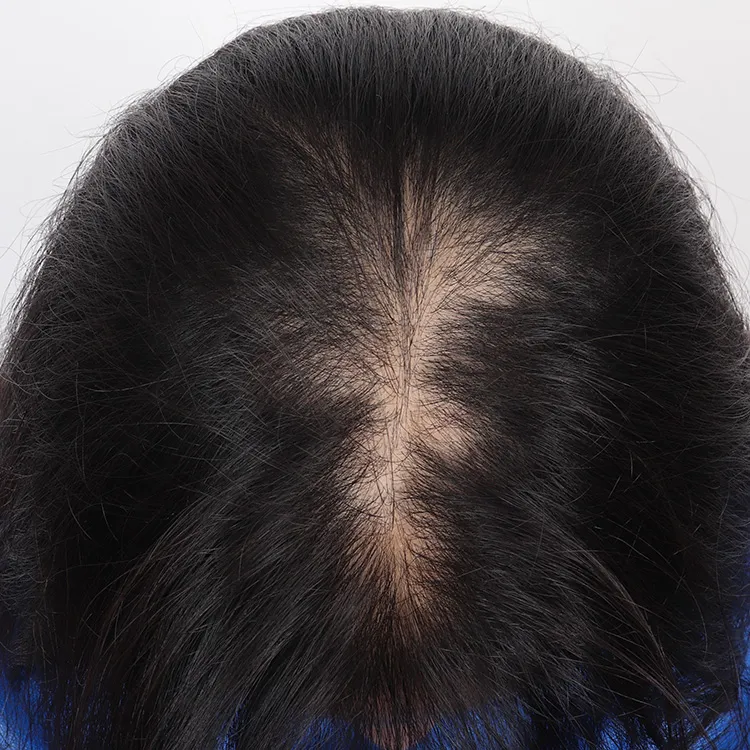
This is an autoimmune form of hair loss that often appears suddenly in round patches.
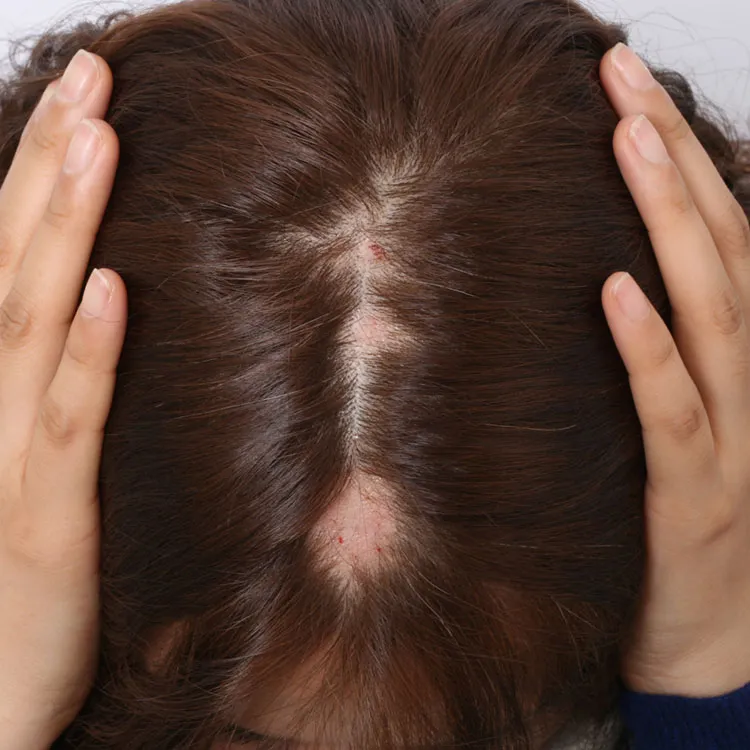
Scalp Infection
Fungal infections such as ringworm can also lead to hair shedding and require specific treatment.
Treatment may include:
- Antifungal medication
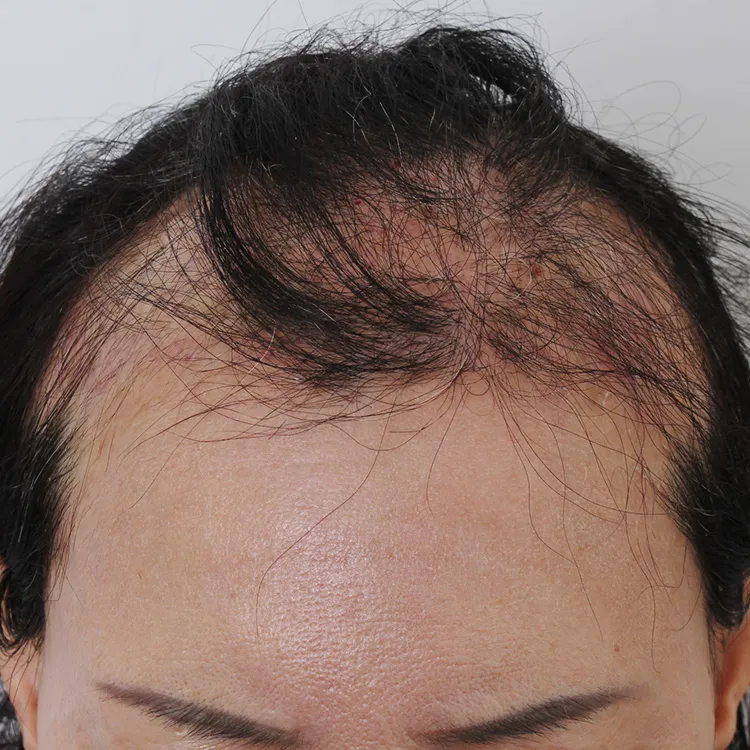
Why Accurate Diagnosis Matters
Different types of hair loss can look similar, but treatment varies greatly depending on the cause. That is why younger patients should avoid starting random medications without a proper medical evaluation.
At a specialized clinic, diagnosis may include:
Medical History Review
Your doctor reviews:
- When the hair loss started
- How it has progressed
- Symptoms such as shedding or scalp discomfort
- Medical conditions
- Family history

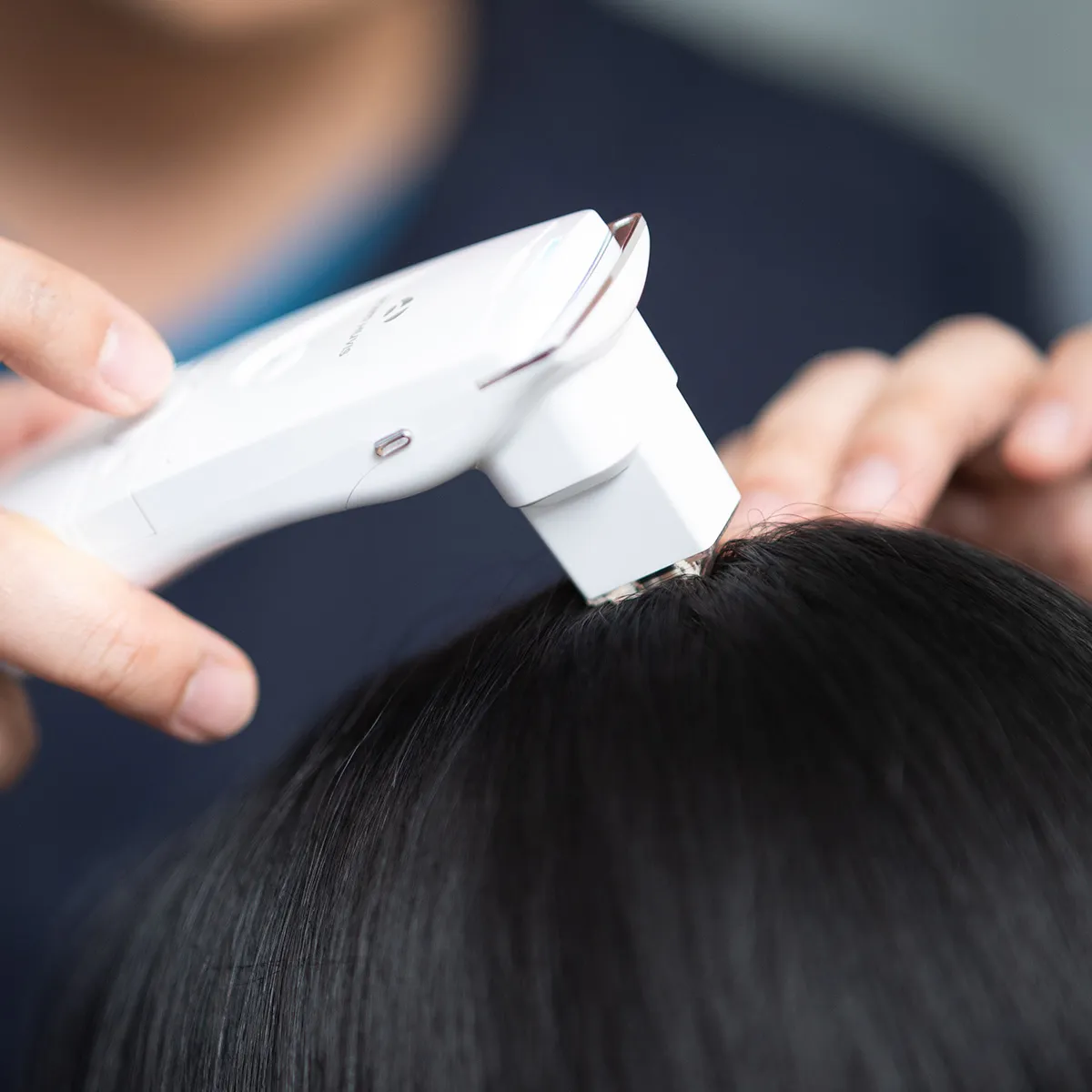
Hair and Scalp Examination
This includes evaluation of:
- Hair density
- Hair thickness
- Scalp condition
- Pattern of thinning
Stress Assessment
Because stress can contribute significantly to shedding, physical and emotional stress factors may also be assessed.
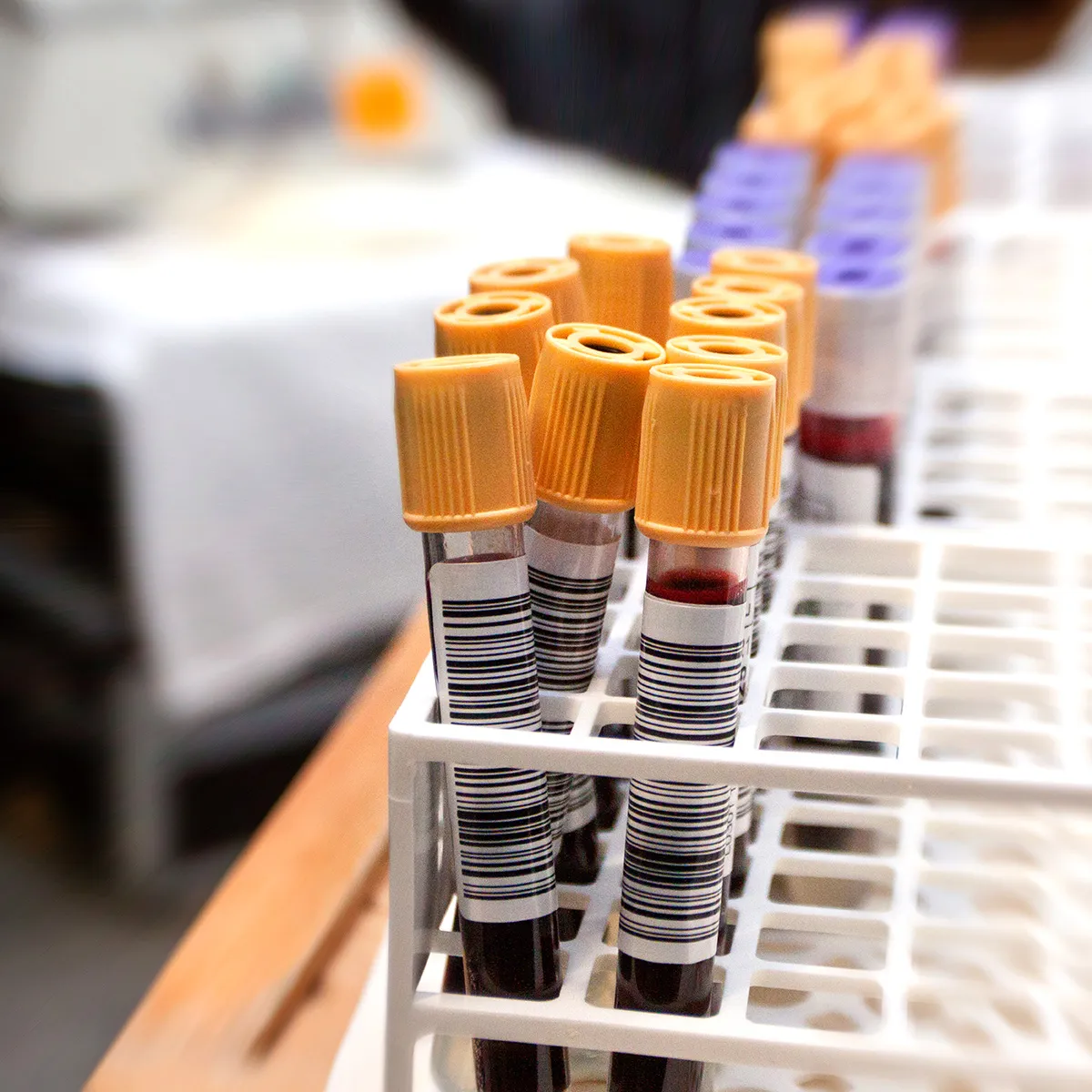
Blood Testing
Testing may help evaluate:
- Thyroid function
- Hormone levels
- Nutritional status
- Other internal factors related to hair loss
Treatment Options for Younger Patients
Because hair loss in this age group often has multiple causes, a personalized combination approach is usually more effective than relying on one treatment alone.
1. Medication-Based Treatment
Depending on the diagnosis, treatment may include:
- Minoxidil
- Finasteride
- Dutasteride
- Antifungal medication for scalp infections
- Other condition-specific medications
Medication is often used to slow or stop progression, but it may not be enough to restore areas where thinning has already advanced.
2. In-Clinic Regenerative Treatment
For patients with visible thinning or weakened follicles, in-clinic procedures can help support faster recovery.
These may include:
Scalp Injection Therapy
Injection therapy delivers active agents directly to the scalp to promote follicle recovery and strengthen hair growth.
Types of injectable treatment may include:


Because different medications are selected based on the underlying cause, medical consultation is essential before treatment.
Laser Therapy
Laser-based treatment may help stimulate hair growth and improve scalp circulation.
Magnetic Therapy
Magnetic stimulation can be used as part of a supportive treatment program for hair strengthening and regrowth.
3. Hair Transplantation
If hair follicles are no longer viable, hair transplantation may be the most appropriate option.
If the follicles are still alive, non-surgical treatment is often recommended first.
Do Younger Patients Recover Faster?
In many cases, yes.
One advantage of treating hair loss in younger patients is that the follicles often still have strong recovery potential. However, better outcomes usually depend on three conditions.
1. Early Intervention
The sooner treatment starts, the better the chance of recovery.
2. A Multimodal Plan
Combining treatments often leads to faster and more meaningful improvement.
3. Ongoing Follow-Up
Hair loss can change with stress, lifestyle, hormones, and health status. Regular follow-up with a primary hair specialist is important for maintaining results.
What International Patients Should Know
For medical tourists, timing and treatment planning are important.
If you are visiting Korea for hair loss care, a clinic evaluation can help determine:
- Whether your hair follicles are still active
- Whether your hair loss is genetic, stress-related, autoimmune, infectious, or mixed
- Which treatments can be started during your visit
- What maintenance plan should continue after returning home
Many patients benefit from an initial diagnostic visit, followed by a customized plan that may include both in-clinic therapy and take-home medication.
Frequently Asked Questions
Can I just take several hair loss medications at once?
Not recommended without diagnosis. Hair loss can have multiple causes, and using several treatments blindly may be ineffective or unnecessary. The right combination should be based on the specific cause of your hair loss.
Are generic medications acceptable?
Generic medications may be appropriate and cost-effective, but they are not always identical in every practical sense. A physician can help select the most suitable option for your treatment plan.
Do I really need in-clinic treatment?
Self-care and medication may help slow progression, but areas where thinning has already advanced often need in-clinic treatment to encourage regrowth.
When do in-clinic treatments usually start to show results?
In general, patients may begin seeing visible improvement after around 10 sessions, although this varies depending on the diagnosis and severity.
How do I know whether I need treatment or a hair transplant?
If the follicles are still alive, treatment is typically recommended first. If the follicles are gone, transplantation may be necessary.
Final Thoughts
Hair loss in your 20s to 40s can be emotionally stressful, especially when it seems to progress quickly. The good news is that younger hair loss often responds well to treatment when the diagnosis is accurate and therapy begins early.
If you are considering treatment while visiting Korea, a specialized hair loss clinic can help identify the root cause and create a personalized plan for both short-term improvement and long-term maintenance.
Maxwell Hair Clinic
begin your consultation today
Consulting with Maxwell Hair Clinic is fast and simple. After you fill out the consultation form, one of our patient team members will reach out to you via email. Our initial online consultation is free of charge.
One-Day Treatment for International Patient at Maxwell Hair Clinic
We understand the diverse needs of our global clientele and strive to provide a seamless, comfortable experience for everyone. Our doctors have extensive experience working with different ethnicities and scalp types, ensuring each transplant is tailored to the individual’s unique hair characteristics for the best possible results.


Our Process for International Patients
- Share Your Information: Send us your details along with clear photos of your areas of concern. This helps our medical team understand your needs from the start.
- Online Medical Review & Personalized Quote: Our doctor will carefully assess your photos and provide an online consultation. You’ll receive an accurate, personalized treatment plan and quote based on your hair and scalp condition.
- Schedule Your Procedure: Once you’re ready, book your surgery on a date that works for you. Our team will guide you through the steps to prepare for your visit.
- Travel to Korea With Full Support: Our international patient coordinators will assist you throughout your journey—ensuring a smooth experience with no language barriers.
- One-Day Surgery: Your hair transplant procedure will be completed in just one day using our advanced techniques.
- Next-Day Shampoo & Follow-Up: Return to the clinic the following day for a gentle shampoo session and a post-operative checkup with the doctor.
- Virtual Follow-Up Appointments: We stay connected with you throughout your recovery, with virtual check-ins at 1 month, 6 months, and 12 months.
- Enjoy Your Results: Watch your new hair grow and enjoy your final results over the coming months.
Maxwell Hair Clinic
What to Expect as an International Patient
1
Full Online Consultation
Begin your journey with a simple online consultation. Our consultants will guide you through creating your treatment plan and scheduling your procedure.
2
Travel to Korea
We can provide assistance in arranging an airport pickup. This service costs $80. If you wish to travel independently, you can take the airport bus, which costs $15.
3
Cost Consideration for Travel
– Accommodation: Typically $50-$200 per day.
– Meals: $10~$20 per meal on average.
– Flights: Check a few months in advance to find the best deal.
4
Meet Your Doctor
Our consultants and medical team will welcome you to our facility for your final diagnosis and personalized hairline design.
5
Treatment Day
We will provide you with a personal translator for the duration. After the procedure, we will assist with your after care and medicine pickup, and see you off to your accommodation.
6
Check Up, Relax, Fly Home
The following day, you will have a check-up appointment. Afterwards, you are free to enjoy your time in Korea. If needed, we can assist with airport drop-off arrangements for your departure.
Superior Results
Maxwell Guarantee


Note: This article was translated and published from the original with consent from the author.